

Shopify Development Cost in Sydney for 2026: Plan Smartly

Shopify Development Cost Sydney 2026
Shopify is a leading platform for e-commerce development. It offers flexibility and scalability for businesses of all sizes.
Understanding Shopify development cost is crucial for budgeting. Costs can vary based on several factors.
In Sydney, these costs can be influenced by local market conditions. The complexity of your store also plays a significant role.
Basic Shopify setups are affordable. However, customizations can increase expenses significantly.
Shopify pricing plans offer different features. They cater to various business needs and budgets.
Hiring a Shopify developer in Sydney can be costly. Rates depend on expertise and project scope.
Investing in professional development can enhance your store’s performance. It can lead to better user experiences and increased sales.
This guide will help you navigate Shopify costs in Sydney for 2026.
Understanding Shopify and Its Role in E-Commerce Development
Shopify is a popular e-commerce platform. It’s known for its user-friendly interface and powerful tools. It supports businesses in building and managing online stores effectively.
With Shopify, even small businesses can create professional storefronts. Its features simplify managing inventory, processing payments, and shipping products. This makes Shopify a preferred choice for many.
Shopify’s role in e-commerce is significant. It provides businesses with the flexibility to scale and adapt quickly. This adaptability is vital in the fast-paced online market.
The platform offers diverse options for customization. This includes a broad range of apps and themes. Businesses can tailor their stores to match branding and operational needs.
Key features of Shopify include:
- Customizable templates
- Integrated payment gateways
- SEO and marketing tools
- Mobile-responsive design
- 24/7 customer support
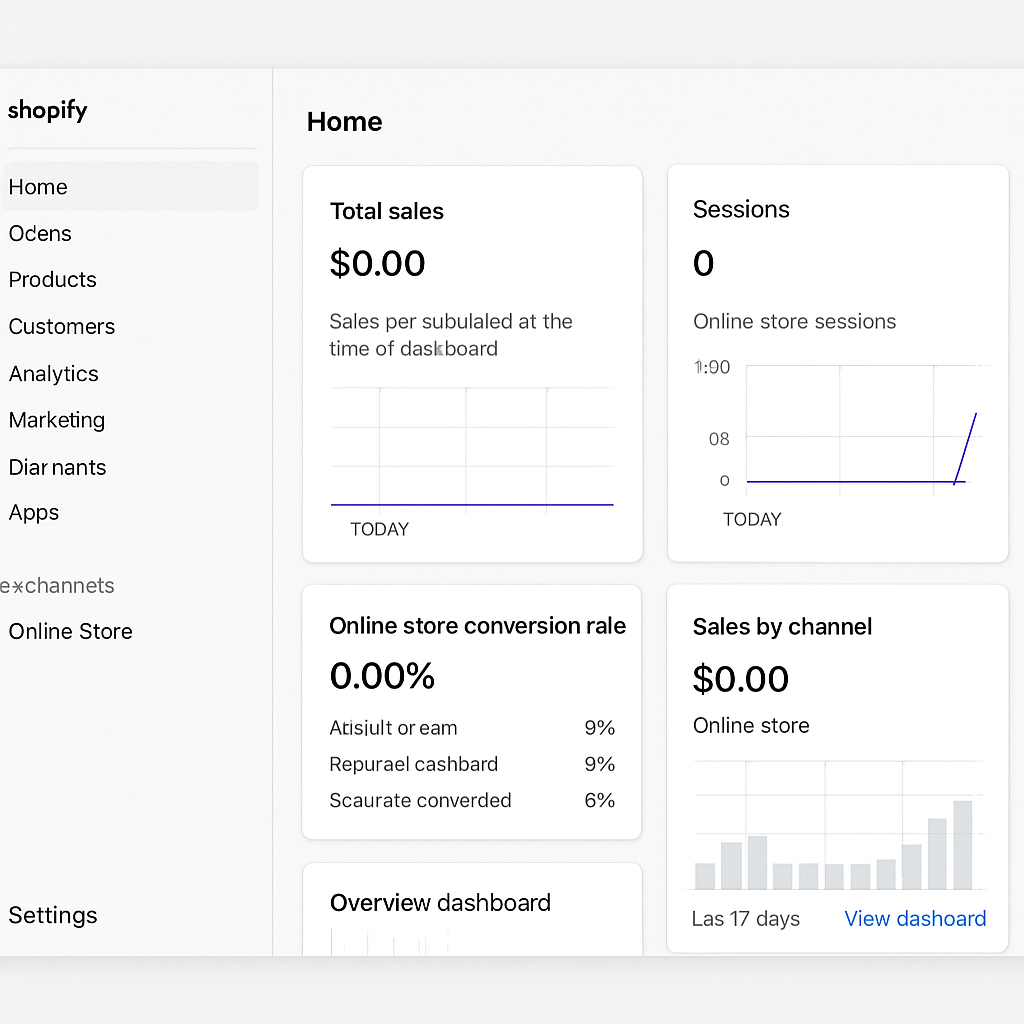
Understanding Shopify’s advantages helps businesses strategize effectively for e-commerce success.
Shopify Pricing Plans in 2026: What’s New and What to Expect
Shopify’s pricing in 2026 will see notable updates. These changes will reflect the growing needs of businesses. They aim to offer more flexibility and value.
With innovation at its core, Shopify plans to enhance its subscription models. Businesses can expect improvements in service features. More robust integrations are also anticipated.
The Basic Shopify plan is designed for startups. It provides essential tools at an affordable monthly fee. Expected enhancements will make it even more cost-effective.
Standard Shopify plans suit growing businesses. They typically offer advanced e-commerce features. This includes professional reports and improved analytics capabilities.
The Advanced Shopify plan caters to medium businesses. It provides greater customization and reporting tools. Enhanced shipping capabilities will also be part of this plan.
Shopify Plus targets high-volume merchants. It’s the most feature-rich and scalable option. In 2026, it will include more enterprise-level solutions.
In summary, the 2026 pricing plans will include:
- Enhanced Basic plans for startups
- Advanced features in standard plans
- Specialized tools for medium businesses
- Comprehensive solutions for large enterprises
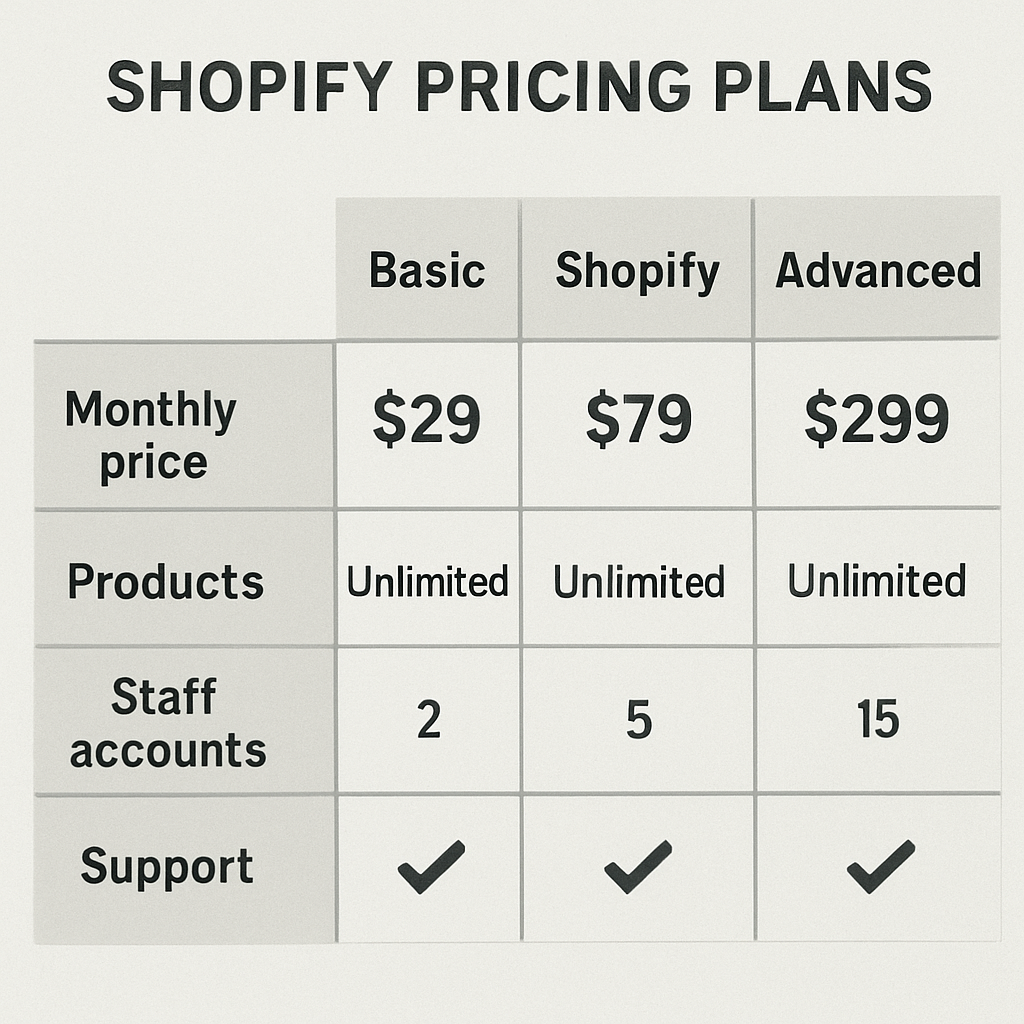
Adaptations in Shopify’s pricing plans reflect a commitment to helping businesses thrive. This evolution supports different e-commerce needs and budgets.
Shopify Basic, Shopify, Advanced, and Plus: Plan Comparison
When comparing Shopify plans, each serves unique business needs. The Basic plan suits startups. It covers essentials but limits advanced features.
The standard Shopify plan is a step up. It offers more reporting and staffing capabilities. It’s perfect for growing businesses looking to expand.
Advanced Shopify provides extensive reporting and customization options. Ideal for established businesses, this plan supports complex needs with robust tools.
Shopify Plus delivers unmatched scalability and customization. It’s designed for large enterprises. This plan includes premium support and high-level analytics.
Each plan varies in features and costs. Businesses should assess their specific needs before choosing. It ensures the best match for their e-commerce operations.
Comparing Shopify plans:
- Basic: Essential tools for beginners
- Standard: More features for growth
- Advanced: Detailed analytics for mid-sized companies
- Plus: Enterprise-level solutions with advanced support
Selecting the right plan involves understanding each option’s benefits. This helps in making informed decisions for sustainable business success.
Key Factors Influencing Shopify Development Cost in Sydney
Understanding what impacts Shopify costs in Sydney is vital. Store complexity is a significant factor. Custom features can drive up prices swiftly.
Design choices also play a huge role. Opting for a custom theme might be pricier than a pre-built option. Customized stores offer more uniqueness but increase costs.
App development and third-party integrations are other cost drivers. The more functionalities required, the higher the investment. Each integration demands time and resources.
The number of products influences the overall cost, too. More products mean more data to manage. It can complicate operations and add to the budget.
Payment gateways and third-party services contribute to costs. Each service can come with additional charges.
Factors like developer expertise and project timelines also affect pricing. Highly skilled developers command higher rates. Longer projects naturally incur more costs.
Maintenance and support shouldn’t be overlooked. Ongoing updates ensure everything runs smoothly. These services may require continuous spending.
In essence, these key factors include:
- Complexity of store setup
- Choice between pre-built and custom themes
- Number of products and catalog size
- Required integrations and app development
- Cost of expert developers and project duration
1. Store Complexity and Customization
Complexity and customization significantly affect Shopify costs. A basic store setup is affordable. However, as features grow, so does the expense.
Intricate customizations involve detailed work. They might include unique product pages or specialized layouts. These elements require more developer hours.
Businesses should list their specific needs. This approach helps manage expenses. A clear project scope avoids unnecessary features and costs.
Key elements increasing complexity:
- Custom layouts and navigation
- Unique product variations
- Specialized checkout processes
Understanding these factors guides budgeting. It helps prioritize features essential to business goals.
2. Design: Pre-Built Themes vs. Custom Themes
Design choices dramatically influence store costs. Pre-built themes offer affordability. They provide a solid starting point.
Custom themes, however, offer tailored aesthetics. They align perfectly with brand identity but come at a premium. Customization ensures uniqueness and brand fidelity.
Businesses must weigh the pros and cons. Pre-built themes suit tight budgets. They might require less time and resources.
Benefits of pre-built themes include ease of setup and lower costs. In contrast, custom themes enable personalized designs. They maximize brand impact but increase investment.
 by Joshua Reddekopp (https://unsplash.com/@joshuaryanphoto)
Design decisions should reflect business needs. Balancing cost and customization is key to success.
3. Shopify App Development Cost and Integrations
App development and integrations impact Shopify costs substantially. Adding new features enhances functionality but increases complexity.
Apps vary in cost based on function and complexity. Simple apps might cost a few hundred dollars. Complex solutions can reach tens of thousands.
Businesses often seek specific functionalities. These may include inventory management or marketing tools. Each adds value but incurs extra expenses.
Key considerations for app development cost:
- Desired functionality
- Complexity and design of the app
- Required integrations with existing systems
 by Growtika (https://unsplash.com/@growtika)
Careful selection and prioritization can manage costs. Effective apps improve operations and overall performance.
4. Number of Products and Catalog Size
The number of products directly affects Shopify costs. More products mean larger databases. This increase in data requires more robust systems.
Detailed product catalogs demand extra attention. Each item needs categorization, images, and descriptions. Managing these elements can drive up expenses.
Small catalogs are manageable and cost-effective. Larger inventories require advanced management solutions. These solutions need more time and resources.
5. Payment Gateways and Third-Party Services
Payment gateways add to Shopify’s costs. Each gateway may have its fees. Understanding these fees is crucial for budgeting.
Third-party services enhance store features. However, they also incur additional charges. Services vary based on functionality and provider.
Key third-party considerations include:
- Service fees and transaction costs
- Integration complexity with existing systems
- Potential necessity and value to business operations
Selecting the right services ensures optimal performance. Balancing costs with functionality is essential for e-commerce success.
Shopify Developer Rates in Sydney: Freelancers vs. Agencies
When hiring Shopify developers in Sydney, businesses often face a choice: freelancers or agencies. Each option offers distinct benefits and challenges that impact the Shopify development cost.
Freelancers generally provide more budget-friendly rates. They are often ideal for small-scale projects with limited scopes. Rates typically range from $50 to $100 per hour, depending on experience.
Agencies, however, bring a team of experts. They handle larger or more complex projects efficiently. This comprehensive service comes at a premium, often between $100 to $150 per hour.
Deciding between a freelancer and an agency depends on project needs. Small projects might benefit from a freelancer’s flexibility. For extensive or highly technical tasks, agencies may offer better support.
Businesses must consider several factors, including:
- Project size and complexity
- Desired timeline for completion
- Budget constraints and financial flexibility
Hiring the right developer is crucial to project success. Weighing these considerations ensures informed decisions for Shopify projects.
 by Ilias Haddad (https://unsplash.com/@iliashaddad3)
In Sydney’s competitive market, Shopify developer rates reflect
the city’s high cost of living and skilled talent pool.
**Sydney vs Other Australian Cities:**
– Sydney: $80-150/hour (AUD)
– Melbourne: $75-140/hour
– Brisbane: $60-120/hour
Popular Sydney suburbs for Shopify development agencies include:
– Surry Hills (creative agencies)
– Pyrmont (tech startups)
– Parramatta (enterprise solutions)
Selecting the appropriate option helps manage costs effectively while meeting specific project requirements.
One-Time vs. Ongoing Shopify Costs: What to Budget For
Understanding the difference between one-time and ongoing costs is essential. Each plays a unique role in shaping your Shopify budget.
One-time costs usually cover initial setup expenses. These might include domain registration, theme purchase, or custom design features. Such costs are paid upfront and don’t recur.
In contrast, ongoing costs involve maintenance and operation expenses. Monthly costs such as Shopify subscription fees and app subscriptions are common. These costs ensure smooth operation and functionality over time.
Deciding what to budget requires planning. Business owners should evaluate both types of costs thoroughly.
Consider these key areas when budgeting:
- Initial setup and development expenses
- Monthly subscription and app fees
- Regular updates and support services
Accurate budgeting helps avoid surprises. Being financially prepared promotes stability and growth.
 by Emilio Takas (https://unsplash.com/@emiliotakas)
Strategic planning ensures all necessary expenses are covered, supporting long-term success.
Initial Setup Costs
Initial setup costs are the first hurdle for e-commerce businesses. These encompass various elements crucial for launching your store.
Key setup costs often include domain name registration, essential for a professional web presence. Purchasing themes and templates also adds to the initial expenses. For those seeking advanced customization, hiring a developer may be necessary.
Here’s a breakdown of common initial costs:
- Domain registration fees
- Theme and template purchase
- Developer or designer fees (if applicable)
Understanding these expenses is vital for planning. Clear expectations from the start can help prevent overspending.
Ongoing Maintenance and Support
Ongoing maintenance is critical to keeping your store running smoothly. These costs occur regularly and are necessary for sustainability.
Monthly Shopify subscription fees are a consistent expense. In addition, many stores use multiple paid apps, contributing to ongoing costs. Regular updates and technical support also fall under this category.
Here’s what to include in your ongoing budget:
- Shopify subscription plans
- Paid apps or plugins
- Routine updates and support services
Maintenance ensures optimal performance. A well-maintained store fosters a better user experience, encouraging repeat business. Regularly investing in support protects the store against issues and downtime.
Shopify App Store: Free vs. Paid Apps and Their Impact on Cost
The Shopify App Store offers a variety of both free and paid apps. These apps can significantly enhance your online store’s capabilities.
Free apps are a cost-effective way to add basic functions. They often provide essential services without an upfront fee. However, they might offer limited features compared to their paid counterparts.
Paid apps usually come with advanced functionalities. These apps often require a subscription or one-time fee. The added capabilities can be well worth the cost for many businesses.
When selecting apps, consider their long-term impact on your budget. A mix of free and paid apps can optimize functionality without excessive spending.
Here’s a breakdown of app cost considerations:
- Basic functions with free apps
- Enhanced features from paid apps
- Budget-friendly mix of free and paid solutions
 by rc.xyz NFT gallery (https://unsplash.com/@moneyphotos)
Selecting the right apps helps balance store needs against financial capacity. An optimized app strategy enhances both performance and cost-effectiveness.
Domain, Hosting, and SSL: Essential E-Commerce Expenses
Running a Shopify store involves several core expenses. Domain, hosting, and SSL certificates are crucial components.
Purchasing a domain name is essential. It serves as your store’s online address. Domains can cost from $10 to $20 annually.
Shopify includes hosting in its pricing plans. This relieves you from extra hosting costs. It ensures your store runs smoothly and quickly.
SSL certificates are vital for security. Shopify provides these as part of their service. An SSL protects customer data, building trust and credibility.
Key expenses to consider:
- Domain: $20-$30/year
- Hosting: Included with Shopify
- SSL: Included with Shopify
These components are foundational for a secure and effective e-commerce operation. They ensure your store remains accessible and trustworthy.
 by Mediamodifier (https://unsplash.com/@mediamodifier)
Additional E-Commerce Development Costs to Consider
Beyond the obvious, e-commerce has hidden costs. These can affect your total Shopify budget.
Marketing and advertising are significant. Promoting your online store requires investment. Whether it’s Google Ads or social media, each adds cost.
Logistics and shipping management is another area. Ensuring products reach customers reliably needs resources. Expenses here can fluctuate with volume.
Customer service is crucial. Providing support via chat or phone can incur additional costs. Quality service enhances customer satisfaction and loyalty.
Other potential expenses include:
- Marketing/Advertising: Variable
- Shipping/Logistics: Variable
- Customer Support: Variable
Keeping these factors in mind helps in comprehensive budgeting. It allows for a smoother operational experience and planning.
 by Алекс Арцибашев (https://unsplash.com/@lxrcbsv)
DIY Shopify Store vs. Professional Development: Pros, Cons, and Cost Comparison
Building a Shopify store can be a do-it-yourself (DIY) project or a professional development task. Each path offers unique advantages and challenges.
With a DIY approach, cost savings are attractive. You’ll avoid high fees, but you need time and know-how. DIY can be ideal for those with small budgets.
Professional development, on the other hand, provides expertise. This option generally results in a polished, feature-rich store. It is suitable for businesses seeking specific functionalities and a unique design.
Costs can differ greatly between these methods. Professional services usually have higher upfront costs. However, the quality and efficiency can lead to greater returns.
Before deciding, consider the following:
- DIY: Lower costs, but requires time and skills.
- Professional: Higher costs, but ensures quality and support.
Each option has trade-offs. Align your choice with your business needs and budget.
 by dix sept (https://unsplash.com/@lucasdixsept)
How to Estimate Your Shopify Development Cost in Sydney
Estimating Shopify development costs can be tricky. Sydney’s market presents diverse pricing because of varying requirements and developer rates.
Start with a clear plan of your needs. This includes design, functionality, and integrations. Knowing exactly what you want makes cost estimation more precise.
Next, research developers or agencies in Sydney. Get quotes from several professionals to compare services and prices. This helps you find the best fit for your budget and needs.
Consider the total cost of ownership. It’s important to include both initial setup and ongoing costs for maintenance and updates.
Key steps to estimate costs:
- Define project scope and features.
- Contact multiple developers/agencies for quotes.
- Factor in ongoing expenses.
Tips to Reduce Shopify Costs Without Compromising Quality
Reducing Shopify costs while maintaining quality is achievable with strategic planning. First, utilize pre-built themes. They save money compared to custom designs and still offer professional aesthetics.
Leverage Shopify’s vast app store. Many free or low-cost apps can enhance functionality, bypassing the need for expensive custom solutions.
Negotiate with developers when possible. Sometimes, freelancers or agencies will offer discounts or flexible payment terms, especially if you have a long-term project.
Enhancing internal efficiencies also helps. Train team members to manage simple tasks in-house to reduce reliance on external services.
Key strategies to cut costs include:
- Use pre-built themes.
- Opt for cost-effective apps.
- Negotiate developer rates.
- Train team for basic tasks.
 by Growtika (https://unsplash.com/@growtika)
Case Studies: Real-World Shopify Development Costs in Sydney
Exploring real-world case studies provides insights into the typical costs of Shopify development in Sydney. These examples illustrate the impact of different business needs on budgeting.
First, consider a small boutique. This shop opted for a basic Shopify plan with a simple pre-built theme. Total development costs were under $1,000, allowing a quick market entry.
Next, a mid-sized retailer required custom integrations for inventory management. This project cost $8,000. The added functionality supported seamless operations and enhanced customer satisfaction.
Lastly, a large enterprise chose Shopify Plus for scalability and advanced features. They invested $25,000 in bespoke design and app development to suit their complex needs.
Key takeaways from these case studies include:
- Basic stores can launch with minimal investment.
- Mid-sized businesses benefit from custom integrations.
- Large enterprises might require substantial investment for tailored solutions.
Examining these different scenarios underscores how specific requirements shape the budget.
Frequently Asked Questions About Shopify Costs in Sydney
Many business owners have queries about Shopify development costs. Here, we address some of the most common questions.
What are the basic Shopify costs? Shopify’s basic plan starts at $29 per month. This plan covers essential e-commerce features for new businesses.
How much does hiring a Shopify developer cost? In Sydney, developer rates typically range from $50 to $150 per hour. Costs vary by complexity and developer expertise.
Is custom theme development worth the cost? Custom themes offer unique branding but are more costly, usually between $1,000 and $10,000. They enhance user experience and site aesthetics.
Does Shopify charge transaction fees? Yes, transaction fees are applicable if using external payment gateways. Fees differ by plan and gateway provider.
Are there any hidden costs? Beyond basic fees, consider app subscriptions and ongoing maintenance. These can impact the total cost of ownership.
Key points to remember include:
- Basic monthly plan fee.
- Developer rates are location-dependent.
- Custom themes offer long-term benefits.
- Some fees are plan-dependent.
- Consider ongoing expenses beyond initial setup.
Conclusion: Planning Your Shopify Budget for 2026 and Beyond
Planning your Shopify budget for 2026 requires a strategic approach. Consider all the costs involved in development and maintenance. This includes initial setups and ongoing expenses.
Evaluate each element of your online store to understand potential costs. For instance, think about customization, developer fees, and app integrations.
Accurate budgeting helps ensure a successful Shopify store. Stay informed about industry trends and pricing updates to make adjustments as needed. Careful financial planning can lead to a profitable e-commerce venture.
Ready to Build Your Shopify Store in Sydney?
HornTech has built 200+ Shopify stores for Australian businesses
with transparent pricing and no hidden fees.
- ✓ Free 15-minute consultation
- ✓ Detailed project scope & timeline
- ✓ No-obligation custom quote
