
GEO Audit for Australian Businesses 2026: DIY Tools vs Professional Audit (AUD Costs)

Roughly one in four Australian buyers now checks an AI assistant before they check Google. Across the HornTech client base, referral sessions from ChatGPT, Perplexity and Google AI Overviews have grown every single month since late 2025. Yet when we run a first GEO audit on a new client site, the median result is the same: the business is cited in fewer than 1 of every 10 AI answers where a direct competitor appears.
That gap is measurable, and measuring it is exactly what a GEO audit does. The question for most owners is not whether to audit their AI visibility but how: do you run it yourself with the growing stack of DIY tools, or pay a professional to do it properly? This guide compares both paths, with 2026 AUD costs for each, and finishes with a 20 minute self check you can run before spending a dollar.
What a GEO Audit Actually Checks
GEO (Generative Engine Optimisation) is the practice of getting your business cited and recommended inside AI generated answers. A GEO audit is the diagnostic that comes first. Whether DIY or professional, a competent audit covers five layers:
- Citation share of voice. For your priority queries, how often does each AI platform mention or link your business versus competitors? This is the headline metric everything else feeds.
- Crawler access. Can GPTBot, ClaudeBot, PerplexityBot and Google-Extended actually fetch your pages, or is a firewall, robots.txt rule or bot manager silently blocking them?
- Structured data coverage. Organisation, Service, FAQ and Product schema give AI systems clean facts to quote. Missing or malformed schema is the most common failure we find on Australian SMB sites.
- Content answerability. AI engines lift self contained, factual passages. Pages written as walls of marketing copy rarely get quoted; pages with direct answers, tables and named prices do.
- Entity footprint. Does the wider web agree on who you are? Consistent business data across your site, Google Business Profile, directories and review platforms decides whether AI models treat you as a real entity worth recommending.
Keep these five layers in mind, because the honest difference between the DIY and professional paths is how deep each one can go on every layer.
The DIY Path: AI Visibility Tools and What They Cost in AUD
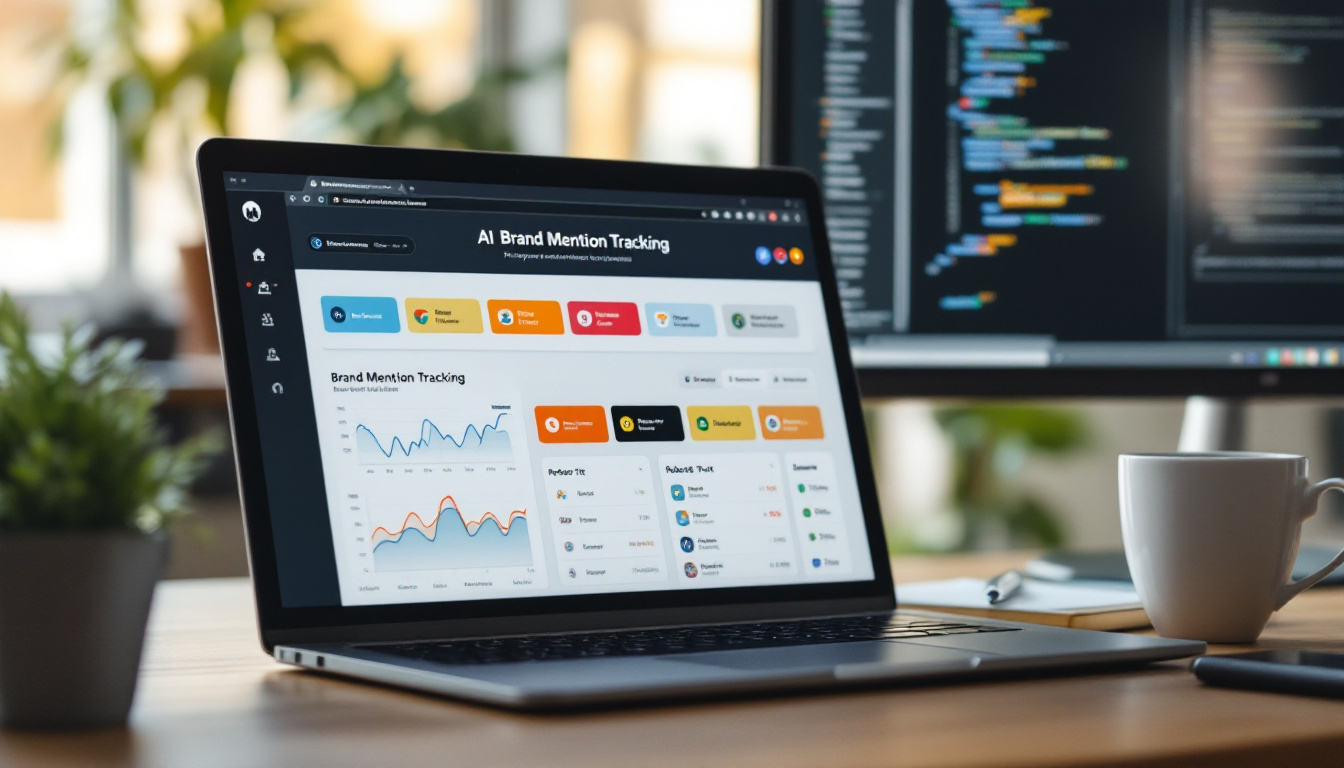
The tool market matured fast through 2025 and 2026. You can now assemble a workable DIY audit stack for somewhere between zero and about AUD $300 per month, depending on how much tracking you want to automate.
| Tool Type | Examples | Typical 2026 Cost (AUD) | What It Covers |
|---|---|---|---|
| Manual prompting | ChatGPT, Perplexity, Gemini, Copilot | Free to ~$60/mo for paid tiers | Spot checks of citation share of voice on your priority queries |
| AI mention trackers | Otterly.AI, Peec AI, Brand Radar style add-ons inside Ahrefs and Semrush | ~$45 to $300/mo | Automated tracking of brand mentions and links across AI platforms over time |
| Schema validators | Google Rich Results Test, Schema.org validator | Free | Whether your structured data parses and which types are present |
| Crawler access checks | robots.txt inspection, server log review, Cloudflare bot reports | Free with your hosting | Whether AI crawlers can reach your pages at all |
The DIY stack is genuinely useful, and for a sole trader it may be all you need for the first six months. Its limits show up in three places. First, manual prompting is unrepeatable: AI answers vary by day, phrasing and location, so ad hoc checks produce noisy, anecdotal data. Second, the trackers tell you what is happening but not why, and the why usually lives in schema gaps, blocked crawlers or weak entity signals that the dashboards do not diagnose. Third, none of these tools will prioritise the fixes against your revenue, which is the part that actually changes the numbers.
The Professional Path: What a Paid GEO Audit Delivers in 2026

A professional GEO audit in Australia in 2026 typically runs AUD $1,500 to $3,500 as a one off engagement, with most agencies, HornTech included, crediting the fee against a retainer if you proceed. For that you should expect, at minimum:
- Benchmarked citation share of voice across ChatGPT, Perplexity and Google AI Overviews for an agreed query set, run methodically rather than as one off prompts
- A full crawl diagnostic covering AI bot access, rendering and indexability, with the specific blocking rules identified
- A schema gap map by page template, with the exact types and properties to add
- An answerability review of your money pages, scoring which passages are quotable and which need restructuring
- An entity consistency check across your site, Google Business Profile and major directories
- A prioritised fix list sequenced by expected citation impact, not alphabetical order
If a quote comes in materially under $1,500, look closely at the deliverable. In our experience the cheap version is a templated tool export with a logo on it, which you could have generated yourself from the DIY table above. For a deeper look at what ongoing GEO engagements cost beyond the audit stage, our 2026 GEO pricing guide breaks down the monthly tiers in detail.
DIY vs Professional GEO Audit: Side by Side
| DIY Tool Stack | Professional Audit | |
|---|---|---|
| Cost | $0 to ~$300/mo (AUD) | $1,500 to $3,500 one off (AUD) |
| Time investment | 4 to 10 hours of your own time, recurring | 1 to 2 hours of briefing and review |
| Citation tracking | Good, if you pay for a tracker | Good, plus competitor benchmarking |
| Root cause diagnosis | Weak. Dashboards show symptoms, not causes | Strong. Crawl, schema and entity layers inspected directly |
| Prioritised fix plan | Not included | Core deliverable |
| Best for | Sole traders, early validation, ongoing monitoring between audits | Businesses where leads carry real value and the channel needs to work |
The two paths are not actually rivals. The pattern that works for most of our clients is professional audit first, DIY tracker afterwards: the audit finds and sequences the structural fixes, then a $45 to $100 per month tracker monitors whether citation share is moving as the fixes land.
A 20 Minute AI Visibility Check You Can Run Today

Before you spend anything, run this. It will not replace a full audit, but it will tell you whether you have a visibility problem worth solving.
- Minutes 1 to 8: prompt test. Ask ChatGPT and Perplexity five questions your customers actually ask, phrased naturally, including your suburb or city. Note every business named in each answer. If competitors appear and you do not, you have your baseline.
- Minutes 9 to 12: crawler check. Open yourdomain.com.au/robots.txt and look for GPTBot, ClaudeBot, PerplexityBot or Google-Extended under a Disallow rule. Also check whether your firewall or CDN runs an aggressive bot blocking mode.
- Minutes 13 to 17: schema check. Run your homepage and one service page through Google's Rich Results Test. No detected structured data, or errors on Organisation and Service types, means AI engines are guessing at your facts.
- Minutes 18 to 20: quotability skim. Open your top service page and ask: could a machine lift any single paragraph as a complete, factual answer with a price or concrete claim in it? If every paragraph needs the rest of the page for context, your content is hard to cite.
Score yourself honestly. Zero or one problem found: a DIY tracker and quarterly self checks are probably enough for now. Two or more: the structural issues are compounding, and that is the point where a professional audit pays for itself fastest.
When DIY Stops Being Enough
Three signals tell us a business has outgrown the self serve stage:
- Your average job or client value exceeds $1,000. At that point a single AI sourced lead per month covers the entire audit fee, and leaving the channel unmeasured is the expensive option.
- Competitors are visibly cited and you are not. Citation positions harden over time as AI systems reinforce sources they already trust. The earlier the structural fixes land, the cheaper they are.
- You have already fixed the obvious and the needle has not moved. If schema is in, crawlers are unblocked and you are still invisible, the remaining causes sit in entity and content layers that genuinely need expert eyes.
HornTech delivers GEO as a productised service for Australian businesses, from one off audits through to monthly optimisation retainers. The methodology, deliverables and current packages are on our AI search optimisation service page.
Frequently Asked Questions
What is a GEO audit and how is it different from an SEO audit?
An SEO audit measures how well your site ranks in traditional search results. A GEO audit measures whether AI platforms such as ChatGPT, Perplexity and Google AI Overviews cite or recommend your business in their generated answers, and diagnoses why not: crawler access, structured data, content quotability and entity signals. The two overlap on technical foundations but score completely different outcomes.
How much does a professional GEO audit cost in Australia?
In 2026, a credible professional GEO audit for an Australian SMB runs AUD $1,500 to $3,500 as a one off engagement, depending on site size and the number of queries benchmarked. Many providers credit the fee against an ongoing retainer. Quotes far below that range are usually automated tool exports rather than genuine diagnostic work.
Can I run a GEO audit myself with free tools?
Partially. Manual prompting across AI platforms, robots.txt inspection and Google's Rich Results Test are free and catch the loudest problems. Paid trackers from around AUD $45 per month automate mention monitoring. What the DIY stack cannot do well is root cause diagnosis and fix prioritisation, which is where professional audits earn their fee.
How often should I re-run an AI visibility audit?
Run a structural audit once, then re-benchmark citation share of voice quarterly. AI platforms update their underlying models and retrieval behaviour frequently, so a monthly tracker plus a quarterly review catches drift without over investing. A full re-audit is only warranted after major site changes or a visible citation drop.
Which AI platforms should an Australian business track in 2026?
Start with the three that drive measurable Australian referral traffic: ChatGPT (including its search mode), Perplexity and Google AI Overviews. Add Microsoft Copilot if your customers skew corporate, and Gemini if your category sees heavy Android and Workspace usage. Five platforms is plenty; depth on priority queries beats breadth across minor engines.
Get Your AI Visibility Baseline Measured Free
HornTech runs a complimentary AI visibility snapshot for Australian businesses: we benchmark your citation share of voice for up to 10 priority queries across ChatGPT, Perplexity and Google AI Overviews, and send back a one page brief showing where the gaps are and which fixes would close them fastest.
See our GEO service packages or request the free snapshot directly. We respond inside one business day.
Related HornTech services: GEO & AI Search Optimisation
Keep reading: AI Search Optimisation 2026: GEO Pricing, Packages and Why It Beats SEO · AI for Sydney SMEs: 14 Questions Before Spending